



Can Cataracts Cause Blindness If Left Untreated?


Prof Donald Tan Tiang Hwee
MBBS(S'pore), FRCS(Glas), FRCS(Edin), FRCOphth(UK), FAMS
Ophthalmologist
Partner and Senior Consultant
Cataracts are among the most common eye conditions affecting older adults, yet many people are unsure what happens if they are left untreated. Because vision often changes gradually, it can be difficult to tell whether symptoms simply need monitoring or whether they are beginning to affect long-term eye health.
Understanding how cataracts develop and when treatment may become appropriate can help you recognise when it is time to seek professional advice.
What Happens When Cataracts Progress?
A cataract develops when the eye’s natural lens becomes cloudy, preventing light from passing through clearly to the retina. In the early stages, symptoms may be mild enough that stronger glasses, improved lighting or updated prescriptions provide temporary improvement, meaning cataract surgery may not yet be necessary.
Over time, however, the clouding typically becomes denser. As less light reaches the retina, vision gradually deteriorates, making everyday activities increasingly difficult. When these changes begin affecting your quality of life, cataract surgery may be recommended to restore clearer vision.
Can Cataracts Eventually Cause Blindness?
Untreated cataracts can eventually lead to blindness by blocking so much light that useful vision is significantly reduced or lost. Although this usually occurs only in advanced cases, the risk increases as the cataract continues to progress over time.
It is important to understand that cataracts do not damage the retina or optic nerve directly. Instead, the clouded lens prevents clear images from reaching the back of the eye. As the cataract becomes increasingly opaque, vision may deteriorate to the point where a person can only distinguish light, movement or large objects.
How Do Cataracts Affect Daily Life Before Blindness Occurs?
Before vision becomes severely impaired, cataracts often begin interfering with everyday activities. These gradual changes may reduce confidence, affect independence and make routine tasks increasingly difficult to perform safely.
Difficulty Driving
Many people first notice problems while driving, particularly at night. Headlights may appear excessively bright, glare becomes more noticeable and judging distances may become more difficult. These changes can reduce driving confidence and safety.
Reading and Close Work Become More Challenging
Blurred vision, reduced contrast and difficulty focusing may make reading books, using digital devices or completing detailed tasks increasingly tiring. Frequent prescription changes may no longer provide meaningful improvement.
Greater Risk of Falls
Poor vision affects depth perception, balance and the ability to detect obstacles. This may increase the likelihood of trips and falls, particularly among older adults.
Reduced Quality of Life
As vision worsens, hobbies, work and social activities may become increasingly difficult. Many people gradually withdraw from activities they previously enjoyed because they no longer feel confident carrying them out safely.
Is It Safe to Wait Before Having Cataract Surgery?
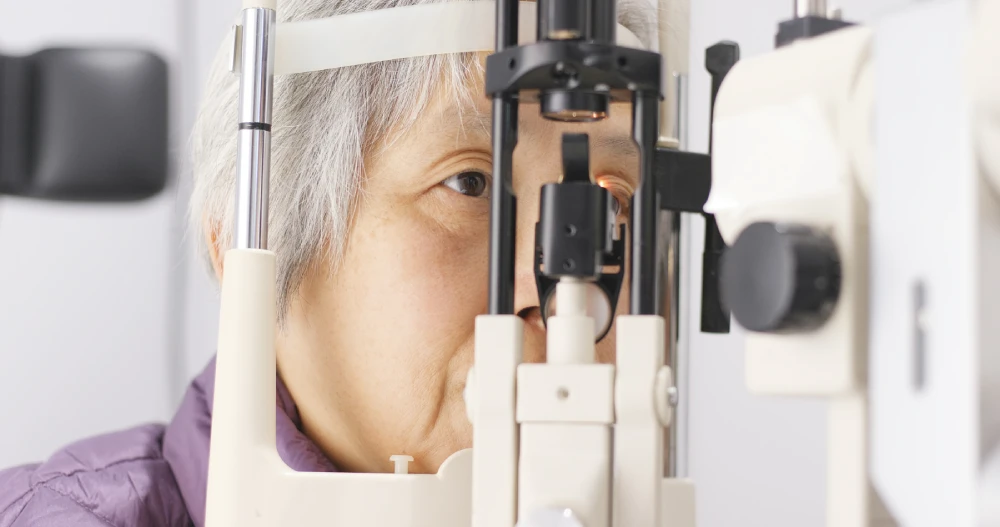
Not every cataract requires immediate surgery. During the early stages, regular monitoring may be appropriate if vision remains adequate for your daily needs.
Rather than recommending surgery based solely on the appearance of the cataract, ophthalmologists consider how much it affects your vision, lifestyle and ability to perform everyday activities safely.
You may be advised to continue monitoring if:
- Your vision remains satisfactory for work and daily tasks
- Glasses still provide acceptable improvement
- The cataract is progressing slowly
- The cataract does not interfere with examining or treating other eye conditions
Regular follow-up appointments allow your ophthalmologist to monitor any changes and recommend surgery when the benefits are likely to outweigh the risks.
Why Delaying Surgery for Too Long May Become More Challenging
Although cataract surgery does not always need to be performed immediately, delaying treatment indefinitely can sometimes make surgery more technically demanding.
Harder Cataracts
As cataracts mature, the lens often becomes denser and harder. Removing these advanced cataracts may require more surgical energy and can sometimes increase the complexity of the procedure.
Increased Risk of Certain Complications
Very advanced cataracts may occasionally lead to complications such as lens swelling or increased eye pressure, which can contribute to secondary glaucoma if left untreated.
In addition, dense cataracts may prevent ophthalmologists from clearly examining the retina and optic nerve. This can delay the diagnosis or monitoring of other eye conditions that require timely treatment.
Protecting Your Vision Starts with Timely Care
Cataracts may not need immediate treatment, but regular assessment plays an important role in preserving your vision and quality of life. Monitoring changes over time allows treatment to be recommended at the most appropriate stage, helping you maintain independence and continue daily activities without unnecessary visual limitations.
At the Eye & Retina Surgeons in Singapore, treatment is guided by a team of experienced cataract surgeons who provide comprehensive assessment, personalised recommendations and modern cataract surgery tailored to each patient's needs. If you are experiencing worsening vision or have been diagnosed with cataracts, arrange a consultation and discuss the most appropriate treatment plan for your eyes.
Frequently Asked Questions (FAQs) About Cataracts
Can cataracts develop at different speeds in each eye?

Can cataracts return after surgery?
Can cataract surgery be performed if I have other eye conditions?
Meet Our Ophthalmologists in Singapore
At ERS Cataract Centre, our team of cataract surgeons is dedicated to providing the highest quality care for patients.

Prof Donald Tan Tiang Hwee
MBBS(S'pore), FRCS(Glas), FRCS(Edin), FRCOphth(UK), FAMS
Ophthalmologist
Partner and Senior Consultant
Prof Donald Tan Tiang Hwee is a partner and senior consultant who leads the team of ophthalmologists at the ERS Cataract Centre. An internationally recognised ophthalmologist with extensive expertise in cataract surgery, corneal disease and anterior segment disorders, he has contributed significantly to advances in ophthalmic surgery through decades of clinical practice, research and academic leadership.